Introduction
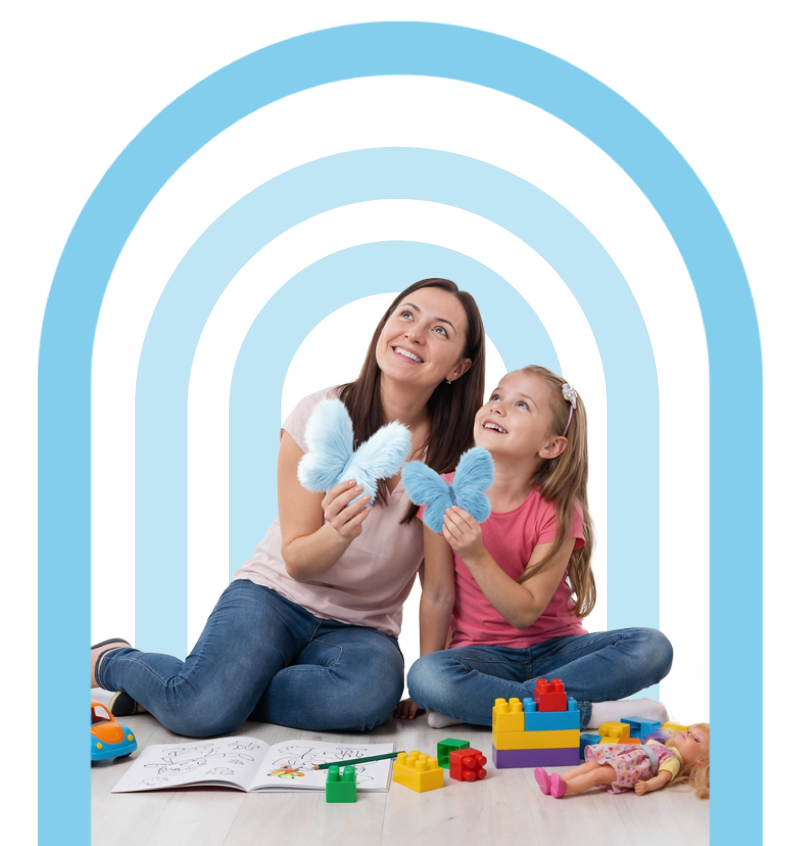
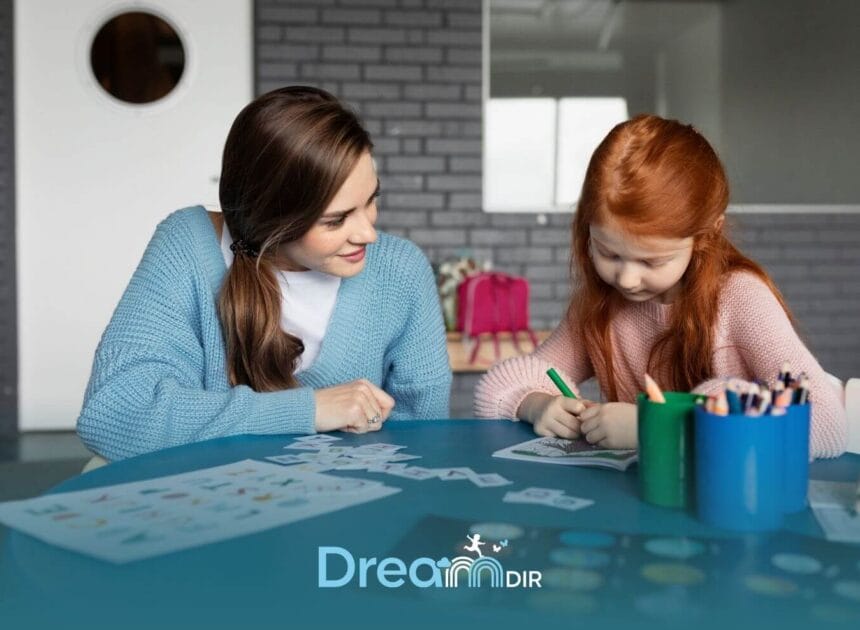
Before any meaningful learning, communication, or behavioral progress can happen, one thing has to come first: connection. For autistic students, that connection isn’t built through worksheets, token boards, or even structured lessons. It’s built through play, the universal language of childhood, and one of the most powerful tools we have for entering a child’s world rather than pulling them into ours.
At Dream DIR, we’ve spent years working alongside families, educators, and therapists across New Jersey, and the pattern is consistent. When adults prioritize rapport before compliance, children open up in ways that surprise everyone in the room. This post walks through why play is the foundation of trust-building with autistic learners, what relationship-first engagement actually looks like, and the specific strategies parents, teachers, and therapists can use starting today.
Why Rapport Has to Come Before Instruction
There’s a common (and understandable) instinct in working with autistic children: identify the skill gap and start teaching. Whether it’s eye contact, turn-taking, requesting items, or following directions, the goal becomes the activity, and the child becomes the project.
The problem is that learning doesn’t happen in a relational vacuum. Neuroscience and developmental research, including the foundational work behind DIR/Floortime therapy developed by Dr. Stanley Greenspan, show that emotional regulation and meaningful engagement are the prerequisites for higher-order thinking, language, and social development, not the rewards for it.
When a child doesn’t feel safe, understood, or genuinely enjoyed by the adult in front of them, every interaction becomes a demand. Demands raise stress. Stress shuts down learning. So, before you can teach an autistic student anything new, they need to know two things in their nervous system: this person sees me, and this person likes spending time with me.
That’s where play does its quiet, powerful work.
What Play Actually Does in the Brain
Play isn’t just a “fun activity to get them comfortable.” For autistic children, many of whom experience the world as unpredictable, overstimulating, or socially confusing, shared play is a regulated, low-pressure space where the rules are negotiable, the stakes are low, and the adult is genuinely curious about them.
In our sessions, we consistently see three things happen during well-attuned play:
- Co-regulation strengthens. A calm, present adult helps the child’s nervous system settle. Repeated experiences of this rewire the child’s sense of safety in social interactions.
- Initiation increases. When a child isn’t being directed, they start directing. They point, they reach, they vocalize, they make choices.
- Communication expands. Whether the child is preverbal, gestural, or fluent, language flourishes when it’s tied to something they actually care about.
None of this happens when play is hijacked into a teaching opportunity. It happens when adults follow, not lead.
Six Strategies for Building Rapport Through Play
Here are the relationship-building techniques we coach parents, school staff, and therapists to use across home, classroom, and clinic settings.
1. Follow Their Lead, Literally
If the child is lining up cars, sit down and line up cars. If they’re spinning a wheel, watch the wheel with them. The instinct to redirect (“Let’s play with the cars the right way!”) signals to the child that what they enjoy isn’t good enough. Joining their play, exactly as they’re doing it, communicates respect.
We worked with a family in Middlesex County whose seven-year-old son spent most of his free time arranging dinosaurs by size. Mom initially worried this was “just stimming.” When we coached her to sit beside him and quietly hand him the next dinosaur in order, something shifted. Within two weeks, he started handing dinosaurs back to her, then narrating their names, then inventing a story. The rapport opened the door, but only because she stopped trying to widen it herself.
2. Become a Useful Part of Their World
Rather than competing for attention, position yourself as helpful. If a child is building a tower, hand them the next block. If they’re rolling a ball down a ramp, be the catcher at the bottom. This is what DIR/Floortime calls “opening and closing circles of communication”, and it’s the building block of every social skill that follows.
3. Match Their Energy and Sensory Profile
A child who seeks deep input may love roughhousing, crash pads, or being squished under pillows. A child who’s sensory-avoidant may need quieter, slower, more predictable play. Watch how the child moves through space, what they reach for, what they avoid, and meet them there. Rapport isn’t built by what you find fun; it’s built by what they find regulating.
4. Use Affect, Not Just Words
Autistic children often read tone, facial expression, and emotional energy long before they parse the meaning of sentences. An animated face, a playful gasp, an exaggerated “uh-oh!” can be far more engaging than a perfectly worded prompt. Affect is the carrier wave that makes language land.
5. Embrace the Pause
One of the hardest skills for adults is silence. We rush to fill space, prompt, narrate, or redirect. But pauses are where children initiate. After you set something up, a balloon held up, a tickle hand hovering, a toy car at the top of a ramp, wait. Five seconds. Ten. Watch what the child does to make the next thing happen.
6. Make It Repeatable
Autistic children often find safety in predictability. A play routine that ends with a tickle, a song, or a specific phrase can become a treasured ritual. Repetition isn’t boring, it’s bonding. Once the routine is established, you can introduce tiny variations to expand it, but the core stays familiar.
How This Looks Across Settings
Rapport-building through play isn’t confined to a therapy center. Here’s how it translates:
At home: Parents are often the most powerful play partners. Even fifteen minutes of distraction-free, child-led floor time per day, phones away, no agenda, can transform the parent-child relationship. This is the heart of what we focus on in our parent training work.
In the classroom: Teachers and aides who take two minutes to join a student’s preferred activity before transitioning to instruction often see better cooperation dramatically. The “warm-up” isn’t wasted time; it’s the foundation of the next forty minutes.
In therapy: Whether it’s speech, OT, or developmental therapy, sessions that begin with attunement rather than tasks tend to produce faster, more durable progress. We’ve consistently observed that children who feel met show up to therapy ready to grow.
Where DIR/Floortime Fits In
DIR/Floortime is specifically designed around this principle: meet the child where they are emotionally and developmentally, follow their lead, and gradually expand their capacity for engagement, two-way communication, shared problem-solving, and abstract thinking. It’s not a checklist of skills. It’s a way of being with a child.
That’s why we structure our services around contexts where rapport naturally develops: in-home sessions where children feel safest, school and daycare consultations that support the adults already in the child’s life, parent training that builds skill in the people who matter most, and center-based therapy for families who benefit from a dedicated developmental space.
Conclusion
Building rapport with autistic students through play isn’t a “soft skill” or a warm-up phase before the “real work” begins. It is the real work. Every meaningful gain in communication, regulation, social connection, and learning grows from the soil of a trusting relationship, and play is how that soil is cultivated.
When adults slow down, follow the child’s lead, match their energy, and treat play as the destination rather than the detour, autistic children show us who they are and what they’re capable of. The strategies in this post, joining their world, becoming useful within it, matching sensory needs, using affect, embracing pauses, and creating repeatable rituals, aren’t complicated. But they do require a mindset shift: from teaching the child to knowing the child.
That shift changes everything.
Ready to Build Stronger Connections Through Play?
At Dream DIR, we partner with families, schools, and Floortime therapy teams in NJ to bring relationship-based, play-driven support to autistic children across Camden County, Hudson County, and Morris County. Whether you’re looking for in-home therapy, school and daycare support, parent training, or center-based sessions, our team is here to help you build the kind of rapport that makes everything else possible.
Contact us today to schedule a consultation and learn how DIR/Floortime can support your child, your classroom, or your practice.
Frequently Asked Questions
How do you build trust with an autistic child?
Trust is built by following the child’s lead, respecting their sensory and emotional preferences, and joining their world without trying to change it first. Consistent, low-pressure, play-based interactions, where the adult is genuinely interested in what the child enjoys, create the safety needed for trust to grow. Avoid demands early on and focus on shared enjoyment.
Why is play important for children with autism?
Play supports nervous system regulation, social engagement, communication, and problem-solving, all foundational developmental capacities. For autistic children, play creates a pressure-free environment where they can initiate, communicate on their terms, and experience genuine connection with caregivers and teachers. It’s also the primary mechanism through which approaches like DIR/Floortime support development.
What is DIR/Floortime, and how does it help build rapport?
DIR/Floortime is a developmental, relationship-based therapy framework that supports autistic children by meeting them at their current emotional and developmental level. Through child-led play, the adult opens and closes “circles of communication” to expand the child’s engagement, language, and thinking. Because the approach prioritizes connection before instruction, rapport-building is built into every session.
SOURCES:
- https://wonderscounseling.com/6-playful-parenting-strategies/
- https://m1psychology.com/building-rapport-with-children-in-counselling/
- https://supportedlifestyles.com/news-events/6-ways-to-build-rapport/
- https://asatonline.org/research-treatment/clinical-corner/building-rapport/
- https://raisingchildren.net.au/autism/school-play-work/play-learning/playing-with-others-autistic-children