Introduction
One of the earliest and most emotional questions parents ask is:
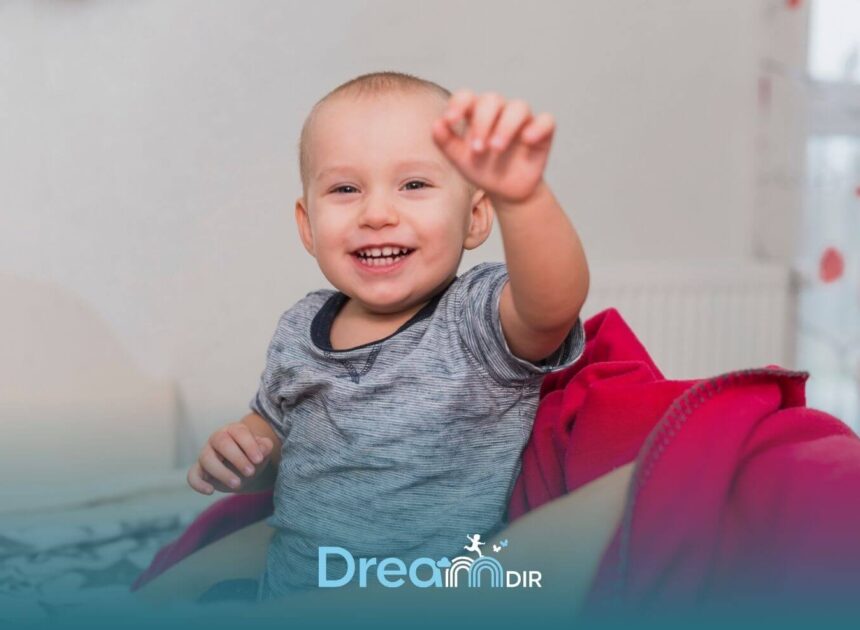
“Do babies with autism smile?”
Smiling is one of the first ways babies connect with the world. It’s how they bond, communicate joy, and respond to caregivers. So when a parent notices fewer smiles, or smiles that feel different, it can raise concern.
The honest answer is:
Yes, babies with autism can smile.
However, how, when, and why they smile may look different compared to typically developing infants.
In this guide, we’ll break down:
- How smiling typically develops in babies
- How autism may affect early social smiling
- Signs to watch for
- When to seek support in New Jersey
- Real-life insights from therapy sessions
How Smiling Develops in Babies
Before understanding autism, it helps to know what typical smiling looks like.
Types of Early Smiles
1. Reflex Smiles (0–2 months)
- Occur automatically, often during sleep
- Not socially driven
2. Social Smiles (2–4 months)
- Baby smiles in response to a caregiver
- Often paired with eye contact
- Indicates early social connection
3. Interactive Smiles (4–6 months)
- Smiling during play (peekaboo, tickling)
- Back-and-forth engagement
According to the Centers for Disease Control and Prevention, social smiling by around 2 months is an important developmental milestone.
Do Babies with Autism Smile?
Yes, But It May Look Different
Babies later diagnosed with autism:
- Do smile, especially reflexively or when self-stimulated
- May smile less often in response to people
- May not consistently engage in back-and-forth smiling
In our sessions, parents often say:
“She smiles, but not really at me.”
That distinction is key.
Differences in Smiling: Autism vs. Typical Development
| Behavior | Typical Development | Possible Autism Indicator |
| Social smiling | Frequent and responsive | Less frequent or inconsistent |
| Eye contact while smiling | Strong and sustained | Limited or brief |
| Smiling during interaction | Enjoys back-and-forth play | Less engagement |
| Shared joy | Looks to caregiver to share experience | Limited “shared attention” |
Early Signs Related to Smiling and Social Interaction
While smiling alone is not a diagnosis, it can be part of a bigger picture.
Signs to Watch For
- Limited or no social smiling by 3–6 months
- Reduced eye contact
- Not responding to caregiver’s smile
- Lack of interest in faces
- Limited back-and-forth interaction
The American Academy of Pediatrics recommends early screening if developmental concerns arise.
Why Some Babies with Autism Smile Differently
1. Social Communication Differences
Autism affects how children:
- Interpret social cues
- Respond to facial expressions
- Engage with others
A baby may smile, but not necessarily as a social response.
2. Sensory Processing Differences
Some babies:
- May feel overwhelmed by eye contact or facial proximity
- May prefer looking at objects rather than faces
3. Differences in Joint Attention
Joint attention is the ability to:
- Share focus on an object or person
- Look back and forth between caregiver and object
Smiling often develops alongside this skill.
Real-Life Example
In our work with families in New Jersey, we supported a 10-month-old who:
- Smiled frequently when playing alone
- Rarely smiled during interaction
- Avoided eye contact
Parents were concerned because the baby seemed happy, but not socially engaged.
Through early intervention and parent coaching, we worked on:
- Face-to-face play
- Reinforcing eye contact
- Encouraging shared attention
Over time, the baby began:
- Smiling during interactions
- Responding to caregivers
- Initiating social engagement
This is something we’ve seen many times: social smiling can grow with support.
When Should Parents Be Concerned?
It’s important not to panic, but also not to ignore concerns.
Consider an Evaluation If:
- No social smiling by 3–6 months
- No response to name by 6–9 months
- Limited eye contact
- Lack of engagement with caregivers
The National Institute of Mental Health provides guidance on early autism signs.
What to Do If You’re Concerned
Step-by-Step for New Jersey Families
- Talk to your pediatrician
- Request a developmental screening
- Contact New Jersey Early Intervention (ages 0–3)
- Seek a comprehensive evaluation
- Start early intervention if recommended
How Early Intervention Helps
Early intervention can support:
- Social engagement
- Communication
- Emotional connection
Common Therapies
Floortime Therapy
- Builds social and communication skills
- Reinforces interaction and engagement
Speech Therapy
- Encourages early communication
- Supports social interaction
Parent Coaching
- Teaches strategies to use at home
In our sessions, we’ve seen that when parents actively participate, progress often happens faster.
Can Babies with Autism Learn to Smile Socially?
Yes, With Support
Many children:
- Develop stronger social smiles over time
- Learn to engage more consistently
- Build meaningful connections
The earlier support begins, the greater the impact.
Autism Support in New Jersey
Families in New Jersey have access to:
Early Intervention Services
- In-home therapy
- State-funded support
School-Based Programs
- IEPs starting at age 3
- Specialized instruction
Therapy Providers
- Floortime therapy
- Speech and occupational therapy
Conclusion
Babies with autism can smile, but their smiles may look different, especially when it comes to social interaction. While some babies may smile less frequently or not respond to others in the same way, this does not mean they are not experiencing joy or connection. It simply reflects differences in how they engage with the world.
For families in New Jersey, recognizing these early differences can be an important first step. Early awareness, combined with timely intervention and supportive strategies, can help strengthen social engagement and communication from a young age.
Every child develops in their own way, and with the right support, many children with autism go on to build meaningful relationships, express joy, and connect with others in ways that are unique to them.
At Dream DIR, we work with families to support early social development through personalized and compassionate Floortime therapy in New Jersey.
Learn how we can support your child’s development from the very beginning. Contact us today!
Frequently Asked Questions
Do autistic babies smile at their parents?
Yes, babies with autism can smile, but they may not always smile in response to social interaction. Their smiles may be less frequent or not consistently directed toward caregivers.
What are early signs of autism in babies?
Some early signs include limited eye contact, reduced social smiling, lack of response to name, and minimal back-and-forth interaction. These signs can appear as early as 6–12 months.
Should I be worried if my baby doesn’t smile much?
Not always, but if your baby is not showing social smiles by 3–6 months or seems less engaged, it’s a good idea to speak with your pediatrician and consider a developmental screening.
SOURCES:
- https://www.autism.org.uk/advice-and-guidance/identity/autistic-women-and-girls
- https://www.nhs.uk/conditions/autism/signs/children/
- https://www.aap.org
- https://www.nimh.nih.gov/health/topics/autism-spectrum-disorders-asd
- https://www.reddit.com/r/AutismInWomen/comments/yo48tk/what_were_some_traits_you_showed_as_autistic_girls/