School & daycare DIR/Floortime therapy
Your child doesn't miss a moment. We bring therapy to them.
DIR support during circle time, playground, and transitions. Right in their classroom, with their peers.









We become part of their day
We come to their school or daycare
No pulling your child out of class for therapy somewhere else. No missing activities they love. Our DIR therapist comes to their school or daycare and works within their actual day.
We work during real routines
Circle time. Snack time. Playground. Art activities. Transitions between classrooms. We embed therapy into the moments that are already happening—making those moments opportunities for connection and learning.
We support teachers and staff
We don't just work with your child. We collaborate with teachers, aides, and daycare providers. We share strategies. We help the adults in your child's life understand how to support connection throughout the day.
Your child learns with their peers
Your child isn't isolated in a therapy room. They're learning alongside classmates. Building relationships. Navigating group dynamics. Developing social skills in the exact context where they need to use them.
Consistency across settings
Your child's DIR therapist coordinates with you and with school staff. Strategies that work at home get reinforced at school. Progress in one setting supports progress everywhere.
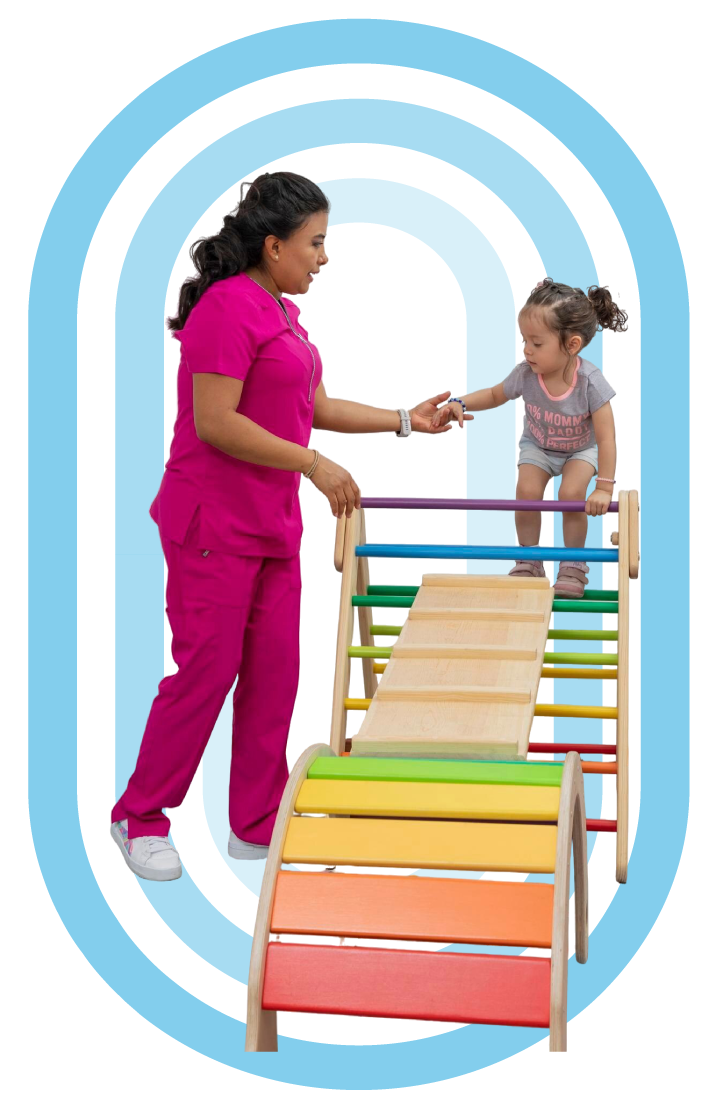
Connection grows with peers, not in isolation
Your child spends most of their day at school or daycare. That’s where they need to communicate, share, take turns, manage emotions, and build friendships.
DIR therapy in the classroom means your child learns these skills in the moment they’re needed, not in a separate room and hoped to transfer later.
They practice regulation during actual transitions. They work on communication during real group activities. They build relationships with the peers they see every day.

The shifts teachers and parents notice

Your child participates in circle time instead of wandering off

Transitions between activities feel smoother

They start playing near—then with—other children

Meltdowns happen less frequently at school

Teachers report better engagement and focus

Your child makes a friend
Skills that matter in the classroom
Your child faces specific challenges in group settings. We address them where they happen:

Social-communication
in real time
Joining group activities. Asking a peer to play. Responding when someone talks to them. Sharing materials. Taking turns. All of it practiced during actual classroom moments.
Emotional regulation
during transitions
Moving from one activity to another. Handling changes in routine. Managing disappointment when it’s someone else’s turn. We support your child through the moments that overwhelm them.
Engagement during
group instruction
Sitting during circle time. Following teacher directions. Staying focused during activities. Participating without constant prompting. Skills that help them succeed academically.
Problem-solving
with peers
What happens when two kids want the same toy? How do we build this block tower together? Can we figure out the rules for this game? Social thinking grows through real peer interactions.
Independence
in daily routines
Unpacking their backpack. Getting their snack. Cleaning up after activities. Lining up for recess. The self-care skills that make school days manageable.

All of it happens at school, during their actual day, with their actual classmates.
Trusted in Classrooms Across New Jersey


Before Dream DIR came into the classroom, my son stayed on the sidelines. He wouldn’t join circle time or play with other kids. Now his teacher tells me he’s participating, sitting with the group, and even laughing with classmates. That’s something we never thought we’d see.
Our daughter used to play alone every day at preschool. The therapist gently supported her during real playtime—not pulling her aside, but helping her connect in the moment. A few months in, she started playing with another child regularly. Now she talks about her friend at home. That’s everything to us.
Our child’s teacher cared, but didn’t always know how to help. Dream DIR changed that. They worked directly in the classroom and shared strategies that actually made a difference. Now everyone feels more confident supporting our child.
We didn’t want our son removed from class for therapy anymore. With in-school DIR, he stays with his peers and learns skills in real time. Transitions are smoother, and he’s actually engaging during activities instead of shutting down.
Circle time used to be the hardest part of the day. Our daughter would wander off or get overwhelmed. Now she sits with the group, participates when she can, and doesn’t melt down. It’s not perfect—but it’s real progress.
What stood out is that they focused on connection, not just behavior. My son is learning how to interact, take turns, and communicate with other kids—not just follow instructions. That’s what he really needed.
What started at school didn’t stay there. As our child became more engaged with peers, we saw more communication and connection at home too. Everything started to click together.
Moving between activities used to be overwhelming for our child. The therapist supported those exact moments during the school day. Now transitions are smoother, and the whole day feels less stressful—for everyone.
Before Dream DIR came into the school, my son noticed other kids but never really connected with them. The therapist worked alongside him during real moments — lunch, recess, transitions — not in a separate room. A few months in, he started asking if certain kids would be there. He has people he looks for now. That’s more than we ever hoped for.
How we're different in schools
"Your child needs to be pulled out for therapy."
We believe in inclusion. Therapy happens within the classroom, during natural activities—not in isolation.
"They just need to follow the rules like everyone else."
Every child has a unique sensory profile and developmental path. We adapt our approach to fit your child, not force your child to fit a mold.
"They're not ready for group settings yet."
Group settings are exactly where social skills develop. We support your child within the group, not remove them from it.
"The teacher should handle this on their own."
We collaborate with teachers. We don't expect them to be DIR experts—we provide guidance and support so they can help your child thrive.
"Progress should look the same for every child."
Every child grows at their own pace. We celebrate the progress your child is making, not compare them to developmental checklists.
"Behaviors need to be controlled first, then we can work on connection."
Behaviors are communication. We address the underlying need for connection and regulation—not just suppress the behavior.
Simple steps to support at school
You reach out
Call 973-899-8556 or fill out our contact form. We discuss your child’s challenges at school, verify your New Jersey insurance, and explain how DIR therapy works in educational settings.
We coordinate with the school
We connect with your child’s teacher, special education coordinator, or daycare director. We observe your child in their classroom to understand the environment and challenges.
We create a school-based plan
We develop a plan tailored to your child’s school day—addressing specific challenges during circle time, recess, transitions, and group activities.
We handle insurance authorization
We submit everything to your insurance, manage the paperwork, and get authorization for school-based services. All NJ Medicaid plans and most commercial insurance cover DIR/Floortime in schools.
Therapy begins at school
Our therapist starts attending your child’s school or daycare for regular sessions. They work within the natural flow of the day, supporting your child during actual classroom routines.
We track progress in context
We measure progress through engagement with peers, participation in activities, and emotional regulation during transitions. You’ll see your child thriving in the school environment.

Maya's story: When she let others into her play
The beginning
When Maya’s preschool teacher called her parents, the message was clear: Maya wasn’t connecting with other children. She’d play alone in the corner, rigid routines, resistance to any change. Circle time? She’d wander away. Group activities? Meltdowns.
“The teacher was kind,” Maya’s mom said, “but I could tell she didn’t know how to reach her.”
The plan
Our DIR therapist, Rachel, started observing Maya during preschool. She noticed Maya loved the water table but played alone. She saw Maya’s face light up during music time—but only from a distance.
Rachel built a plan around Maya’s actual preschool day:
- Join Maya’s play at the water table without demanding interaction
- Create gentle invitations for peers to join
- Support Maya during transitions with co-regulation
- Help teachers understand Maya’s sensory needs
The work
Rachel showed up three mornings a week during Maya’s preschool hours. She worked with Maya during the actual routines—not in a separate therapy room.
When Maya retreated to the water table alone, Rachel didn’t force interaction. She played nearby. She made gentle sounds. She invited one other child to join, creating a bridge.
Teachers watched and learned. They started recognizing when Maya was open to connection and when she needed space.
The results
After six weeks: Maya started glancing at other children during play. She stayed at the art table longer.
After three months: A classmate asked to play with her blocks. Maya looked at the teacher—then nodded yes. They built together for ten minutes.
After six months: Maya had a friend. She looked for Lily every morning. They played in the dress-up corner, taking turns, laughing. Circle time still wasn’t easy, but Maya sat near the group now.
“The teacher cried when she told me,” Maya’s mom said. “She said, ‘Maya’s here now. She’s really here with us.'”
School-based therapy across the Garden State
Dream DIR provides school and daycare therapy to children across New Jersey. We work with public schools, private schools, preschools, and daycare centers statewide.
North Jersey:
- Bergen County
- Passaic County
- Essex County
- Morris County
- Hudson County
- Sussex County
- Warren County
Central Jersey:
- Union County
- Middlesex County
- Somerset County
- Hunterdon County
- Mercer County
- Monmouth County
South Jersey:
- Ocean County
- Burlington County
- Camden County
- Gloucester County
- Salem County
- Cumberland County
- Cape May County
- Atlantic County
Whether your child attends school in Newark, Princeton, Cherry Hill, or Toms River—we bring DIR/Floortime therapy to their classroom.
Questions New Jersey families are asking
Does my child need to leave their classroom for therapy?
No. We work within the classroom during natural activities. Your child stays with their peers and teacher—therapy happens in context, not in isolation.
Will the therapist disrupt the classroom?
Our therapists are trained to blend into the classroom environment. We support your child quietly during activities, collaborate with teachers, and work within the natural flow of the day.
How many hours per week will my child receive?
Most children receive 5-10 hours weekly at school, depending on their needs and what insurance authorizes. Your supervising therapist recommends specific hours.
Does insurance cover school-based DIR therapy?
Yes. New Jersey law requires Medicaid and most commercial insurance to cover DIR/Floortime in educational settings. We verify your benefits upfront.
Do you work with the child's IEP team?
Yes. We coordinate with special education coordinators, teachers, and related service providers. We can attend IEP meetings and provide input on goals and strategies.
What if my child attends a private preschool or daycare?
We work with private preschools, daycares, and schools throughout New Jersey. As long as insurance approves the setting, we can provide services there.
Will the same therapist work with my child every time?
Yes. Consistency is essential. Your child builds trust with their therapist, and that relationship helps them feel safe enough to connect with peers.
What if my child's teacher doesn't understand DIR?
We provide guidance and support to teachers. We don’t expect them to become DIR experts—we collaborate with them to help your child succeed in their classroom.
How long will my child need school-based therapy?
Every child is different. Some children make significant progress in months. Others benefit from longer support. We track progress and adjust as your child grows.
What if my child has behaviors that disrupt the class?
We don’t punish or remove children for behaviors. We understand behaviors as communication and support your child in finding better ways to express their needs.
Connection grows in classrooms too
Dream DIR is ready to join your child’s school day, support their teachers, and help your child build the connections that make school feel less overwhelming—and more joyful.
Every dream begins with one small step. Let’s take it together.