Dream DIR serves families across New Jersey with DIR/Floortime therapy. North Jersey to South Jersey, cities to suburbs. In-home, at school, or at our centers.
The therapy that starts with your child, not a program
Most therapies for autism start with a list of behaviors to fix. DIR starts somewhere different: with your child.
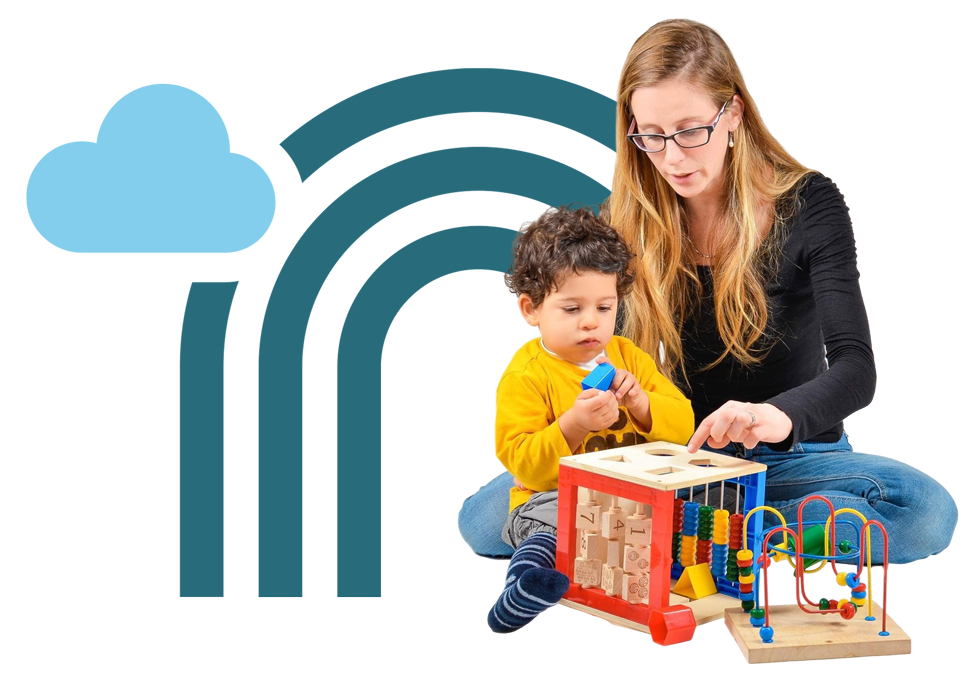
DIR stands for Developmental, Individual Difference, Relationship-based. That’s the clinical name. In practice, it means this: a therapist gets on the floor with your child, follows what they’re interested in, and builds real back-and-forth connection through play.
Floortime is how DIR happens. Not sitting at a table doing drills. On the floor, in the moment, meeting your child exactly where they are.
The idea behind it is simple. Children develop communication, emotional regulation, and social connection through relationships — not repetition. When a child feels understood and safe, they open up. They start to engage. They want to share their world with you.
DIR was developed by child psychiatrist Dr. Stanley Greenspan. It’s built on decades of research into how children actually develop — and what gets in the way for children with autism.
What DIR works on:
Back-and-forth communication — gestures, words, expressions
Emotional regulation — feeling big emotions without shutting down or melting down
Social connection — with parents, siblings, classmates, and friends
Flexibility — handling changes, transitions, and the unexpected
Independence — daily routines, self-care, life skills
It’s not a quick fix. It’s a different way of understanding your child. And for many New Jersey families, it changes everything.
DIR therapy uses play to build communication, emotional regulation, and relationships. It’s not about drilling skills or controlling behavior. It’s about understanding your child’s inner world and helping them connect.
We follow their interests
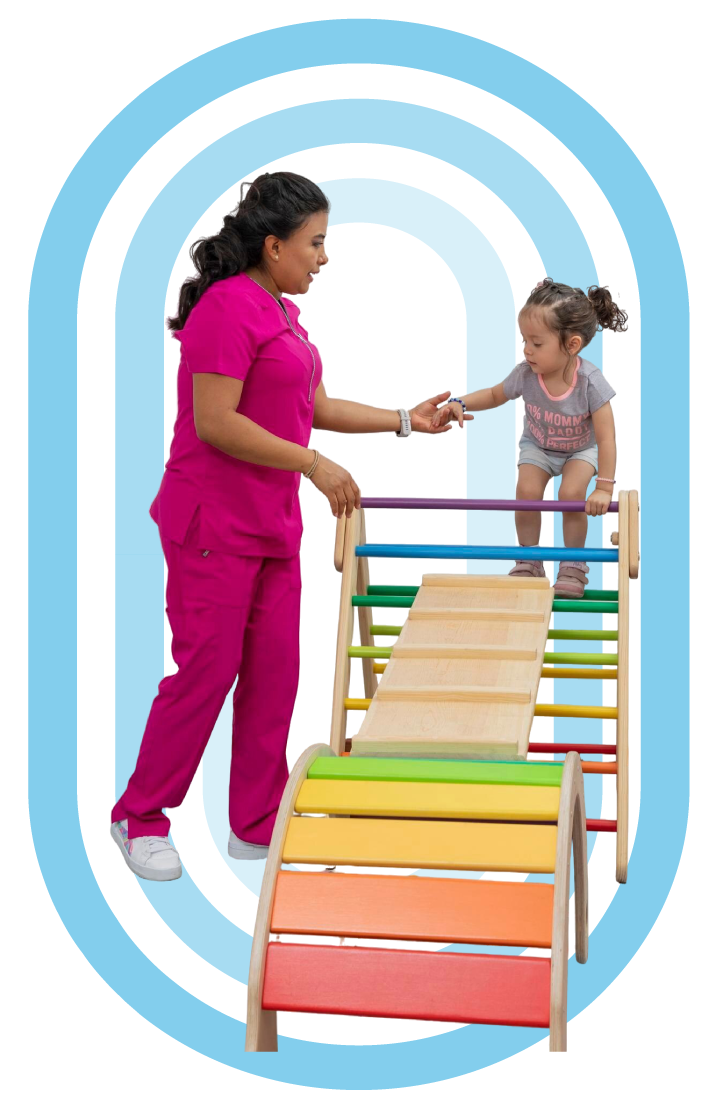
If your child loves trains, we start with trains. If they need to move, we move with them. The goal is connection, not compliance.
Relationships matter most
Social skills don't come from flashcards. They come from back-and-forth interaction with people who understand your child.
Covered by insurance
New Jersey Medicaid and most commercial insurance plans cover DIR/Floortime. We handle the paperwork.
No waitlist
Most families start within days of the evaluation.
Not through flashcards. Through play. Your child gestures for more bubbles. Vocalizes when the tower falls. Uses words because connection makes them want to share.
Emotional regulation
When your child gets overwhelmed, we don’t punish or ignore it. We co-regulate with them. Over time, they build their own capacity to feel and move through emotions.
Social connection
Playing with peers. Taking turns. Reading social cues. Building friendships. Social skills develop through real interaction, not isolation.
Problem-solving
How do we build this tower together? What happens if we take turns? Social thinking grows through playful challenges that feel like discovery.
Self-care and independence
Getting dressed. Brushing teeth. Transitioning between activities. Skills that make daily life manageable for New Jersey families.
Call 973-899-8556 or fill out our contact form. We ask what you’re seeing with your child. We answer your questions about DIR. We check your insurance.
1
Evaluation
We come to your home, your child’s school, or our center. We watch how your child plays, communicates, and handles emotions. We talk about what’s hard right now.
1
We create a plan
No templates. No generic programs. An actual individualized plan based on your child’s unique profile and your family’s real goals.
1
We handle insurance
We submit everything to your New Jersey insurance and manage the paperwork. All NJ Medicaid plans and most commercial insurance cover DIR/Floortime.
1
Therapy begins
Your therapist starts sessions at your home, your child’s school, or our center. Connection deepens. Skills emerge. Progress gets tracked.
1
You see what's working
We measure progress through engagement, communication, and connection. You’ll see your child staying in interaction longer, seeking you out more, expressing themselves better.
A DIR/ Floortime therapy success story from New Jersey
Maya's Floortime Autism Therapy Success story
The beginning
When Maya’s preschool teacher called her parents in Cherry Hill, the message was clear: Maya wasn’t connecting with other children. She’d play alone, rigid routines, resistance to any change. Circle time? She’d wander away.
“The teacher was kind, but I could tell she didn’t know how to reach her,” Maya’s mom said.
The plan
Our DIR therapist, Rachel, started observing Maya during preschool. She noticed Maya loved the water table but played alone. She saw Maya’s face light up during music time, but only from a distance.
Rachel built a plan around Maya’s actual preschool day: join Maya’s play without demanding interaction, create gentle invitations for peers to join, support Maya during transitions.
The work
Rachel showed up three mornings a week during preschool hours. She worked with Maya during actual routines, not in a separate therapy room.
When Maya retreated to the water table alone, Rachel didn’t force interaction. She played nearby. She made gentle sounds. She invited one other child to join, creating a bridge.
The results
After six weeks: Maya started glancing at other children during play.
After three months: A classmate asked to play with her blocks. Maya looked at the teacher, then nodded yes. They built together for ten minutes.
After six months: Maya had a friend. She looked for Lily every morning. They played in the dress-up corner, taking turns, laughing.
“The teacher cried when she told me,” Maya’s mom said. “She said, ‘Maya’s here now. She’s really here with us.'”
“Our son used to retreat to his room after school. Now he seeks us out. He wants to show us things. DIR helped us understand him.”
— James & Priya Okafor, Montclair
"They came to our apartment in Newark"
“We don’t have a car. Other places wanted us to drive to them. Dream DIR comes to the Ironbound. My daughter does therapy at home.”
— Marisol Delgado, Newark
"No more pull-outs at school"
“The therapist works with him right in his classroom. He’s not missing art or recess. He’s learning to play with other kids during actual school time.”
— Tom & Rachel Bernstein, Cherry Hill
"I know what to do now"
“Parent training taught me how to read my daughter’s cues. I can help her myself during hard moments. I’m not just waiting for the next therapy session.”
— Danielle Osei, Princeton
"He's happy again"
“After years of rigid therapy, he seemed worn out. DIR brought play back. He laughs more. He’s lighter.”
— Kevin & Sandra Moreau, Toms River
"She let us into her world"
“My daughter used to play in her own world. After a few months of DIR, she started inviting us in. Now she pulls us over to play with her. That connection is everything.”
— Aisha & Marcus Webb, Edison
What you won't hear from DIR therapists in New Jersey
How we're different
"Your child just isn't motivated."
Every child is motivated by something. Our job is to find what lights them up, not force them into a template.
"We'll work on this in the clinic, and it'll transfer home."
That's backwards. We work in your home or school because skills need to be learned in the places they'll actually be used.
"Parents should observe from another room."
You're not a distraction. You're essential. We want you involved, watching, learning, and connecting with your child.
"This should be working by now."
Every child is different. If something isn't clicking, we change our approach, not blame your child.
"Just be firmer with consequences."
We're not here to make you a drill sergeant. DIR is about understanding your child's inner world, not controlling their behavior.
"Give it more time."
Time alone doesn't create progress. Strategic, attuned intervention does. If we're not seeing connection deepen, we adjust.
New Jersey cities and towns we serve
Statewide DIR therapy coverage
Dream DIR provides in-home, school-based, and center-based therapy throughout New Jersey.
New Jersey offers several resources and organizations that support families raising children with autism. These complement DIR therapy by providing additional advocacy, information, and community connection.
NJ Division of Developmental Disabilities
State services, waiver programs, and support for families raising children with developmental disabilities.
DIR/Floortime therapy FAQs for New Jersey families
Questions parents ask
Does insurance cover DIR in New Jersey?
Yes. New Jersey law requires Medicaid and most commercial insurance plans to cover DIR/Floortime therapy for children with autism. We verify your specific benefits upfront.
How quickly can we start therapy?
Most New Jersey families start within days of their evaluation. We don’t believe families should wait months for help.
Do you serve all of New Jersey?
Yes. We provide in-home, school-based, and center-based therapy throughout North, Central, and South Jersey.
What ages do you work with?
We work with children from early intervention (18 months) through adolescence. Early intervention leads to the best outcomes, but it’s never too late to start.
How is DIR different from ABA?
DIR focuses on play, connection, and following your child’s interests. ABA focuses on behavior modification through reinforcement. Both are evidence-based. Families choose based on what feels right for their child.
How many hours per week will my child need?
Most children receive 5-15 hours weekly, depending on their needs and insurance authorization. Your supervising therapist recommends specific hours.
Will we have the same therapist every time?
Yes. Consistency is essential for building connection. Your child develops trust with their therapist, and that relationship drives progress.
Can we do therapy at home and at school?
Yes. Many New Jersey families combine settings. Home sessions for daily routines, school sessions for peer interaction and classroom support.
What if my child doesn't engage with new people easily?
Our therapists are trained to meet withdrawn or resistant children exactly where they are. We start slow. We follow their lead. If they need space, we give space. Connection can’t be forced.
What if my child has intense behaviors?
We don’t punish or ignore behaviors. We understand them as communication. Our therapists help figure out what your child is trying to express, then support them in finding better ways to communicate their needs.
How do I know if therapy is working?
You’ll see it. Longer eye contact. More engagement. Your child inviting you into play. Better regulation during tough moments. Connection that feels real.
What if therapy isn't working?
We track engagement, communication, and connection constantly. If progress stalls, we adjust strategies. We don’t keep doing the same thing and hoping for different results.
Dream DIR serves families throughout New Jersey. Newark to Cape May. Jersey City to Toms River. Paterson to Princeton. Play-based therapy that helps children communicate, regulate, and connect.